
The HIGH COST of BOTTLING WATER
After a natural disaster—an earthquake, tornado or tsunami—providing people with safe bottled water is an essential part of the rescue mission. But when millions of Americans spend billions of dollars to buy water packaged in plastic bottles that unfortunately aren’t always recycled, the impact on energy use and resource consumption is monumental.
For starters, despite the quaint and seemingly “local” brand names under which bottled water is marketed, the industry is dominated by multinational mega-companies like Nestle, Coca-Cola, PepsiCo and several giant European conglomerates. These multi-billion dollar corporations are rapidly moving to privatize water sources, which jeopardizes municipal water supplies and negatively impacts local economies.
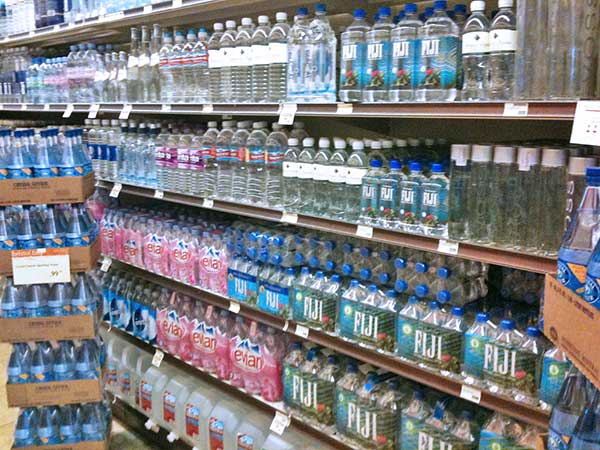
Photo by Ken Shelton is licensed under CC BY
Called the “Blue Gold” of the 21st century, fresh water is becoming a valuable—and increasingly scarce—resource. When multinationals buy up groundwater sources and distribution rights, that can jeopardize what many people feel is a basic human right: access to safe and affordable water.
Facing the Facts
In 1990, Americans drank an average of less than 4 liters of bottled water a year, mostly from office coolers. Today, Americans average 115 liters a year, mostly from throwaway plastic bottles.
Just producing multi-millions of throwaway plastic bottles requires more than a billion gallons of oil every year—not counting the energy needed for transportation and warehousing.
Pepsi’s Aquafina and Coca-Cola’s Dasani (both are merely filtered tap water) cost anywhere from 5 to 7 cents an ounce, or as much as$9 a gallon. The cost of tap water: about 1 cent per gallon.
What You Can Do
Concerned about a future in which the world’s supply of fossil fuels is increasingly limited? Take one positive step to curb the use of non-renewable fossil fuels is to stop consuming drinking water from a throwaway plastic bottle. By using reusable containers you can fill with fresh tap water, you’ll help save energy and save the environment from the mountains of plastic that overflows landfills and contaminate the oceans every year.
See our Resources page for information about companies offering alternatives to throwaway plastic water bottles.
 H2O-No Plastic!